
The Intricate World of Mahjong
Mahjong, a game rich in tradition and complexity, is a cultural treasure that has captivated players for centuries. Originating from China, it holds a firm place not only in Asian culture but has also found popularity worldwide. With its unique blend of strategy, skill, and chance, Mahjong offers both social enjoyment and mental stimulation, an aspect that has garnered a loyal following.
The Origins of Mahjong
Tracing its roots back to the Qing dynasty, Mahjong's extensive history is both fascinating and complicated. While the exact origins are shrouded in mystery, it is widely believed that the game evolved from earlier Chinese card games and was standardized in the early 20th century. Mahjong quickly spread beyond China, reaching Japan, the United States, and various other parts of the globe, each adopting their own variations and rules.
Understanding Mahjong Tiles
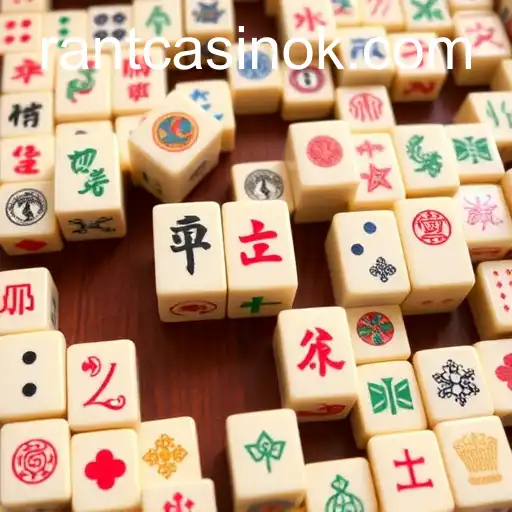
At the heart of Mahjong are its beautifully crafted tiles, generally made from bone, bamboo, or plastic. A typical Mahjong set includes a total of 144 tiles, though this number can vary by region. These tiles are divided into several suits: bamboo, characters, and circles. In addition, there are special tiles such as winds, dragons, and flowers which add a layer of complexity to the game.
Bamboo, Characters, and Circles
The three primary suits, each depicting distinct symbols, challenge players to create winning hands by drawing and discarding tiles. Bamboo tiles are marked with rods, circles are illustrated with dots, and character tiles bear Chinese numerals. Players must skillfully navigate these suits to be victorious.
Special Tiles
The inclusion of tiles representing winds, dragons, and flowers introduces unique strategic elements. Wind tiles are divided into four types: east, south, west, and north. Dragons come in three varieties: red, green, and white, each with its own significance. Meanwhile, flower tiles serve as bonuses, presented in sets representing seasons or plants.
The Rules of Play
While Mahjong is a game of deep strategy, the basic gameplay involves four players, each aiming to complete a winning hand. The game typically begins with players drawing tiles from a wall of face-down tiles, followed by turns of drawing and discarding. The goal is to assemble complete sets such as 'pungs,' 'chows,' or 'kongs' while possibly including pairs of identical tiles.
Winning a game of Mahjong is about more than just luck; understanding and anticipating the moves of opponents is critical. Experienced players employ strategic foresight, assessing the potential of their hand and making calculated decisions about which tiles to retain or discard.
Strategizing in Mahjong
Developing a strategy is crucial in Mahjong. Players must balance offense and defense, deciding when to play aggressively or conservatively. Being aware of the visible tiles helps in predicting opponents' potential moves and devising an appropriate strategy. Additionally, memory plays an essential role as remembering discarded tiles can be an asset in planning one's moves.
As with other strategic games, a player's skill often lies in their ability to adapt to the unfolding game and opponents' tactics. The beauty of Mahjong is in its ability to demand both immediate tactical thinking and long-term strategic planning.
The Cultural Significance of Mahjong
Mahjong's importance extends beyond the recreational. It is a social activity deeply embedded in family life and celebrations, often played during festivals or as a pastime that brings together relatives and friends. Mahjong has transcended generations, retaining its cultural relevance through shared memories and traditions.
In parts of Asia, particularly in China, Taiwan, and Hong Kong, Mahjong represents not just a game but an essential cultural artifact. Its influence can be seen in various art forms and expressions, symbolizing elements of luck, prosperity, and social unity. Consequently, Mahjong continues to resonate with players, standing as a beloved emblem of cultural heritage.
Mahjong in the Digital World
With the advent of technology, Mahjong has seamlessly transitioned to digital platforms, reaching a broader audience than ever before. Online gaming sites such as brstar.bet have embraced Mahjong, offering digital versions that allow players to engage in this compelling game with ease and convenience. The availability of Mahjong online has made it possible for enthusiasts to connect and compete regardless of geographical constraints, further solidifying its global appeal.
Digital adaptations have preserved the essence of the traditional game, all the while introducing new formats and challenges. These online platforms cater to both novices learning the ropes and seasoned players seeking a challenge, proving that Mahjong's allure is timeless.
Conclusion
Mahjong is not merely a game but an expedition into a world of strategy, culture, and tradition. Its enduring popularity and influence across continents emphasize its extraordinary ability to unite people through play and shared experiences. The timeless allure of Mahjong continues to endear it to generations past and present, ensuring its legacy will thrive in the years to come.